★★★★★ 4.84 · 1,200+ reviews

PCOS Support — The Seven-Ingredient Formula For The Hormonal Imbalance Most Doctors Only Treat With Birth Control.

7-Ingredient Hormonal Stack40:1 Myo:D-Chiro Inositol Ratio60-Day Guarantee3rd-Party Tested

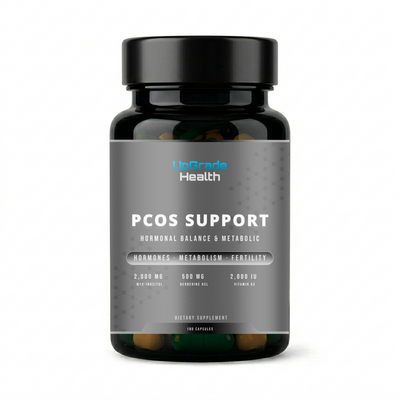
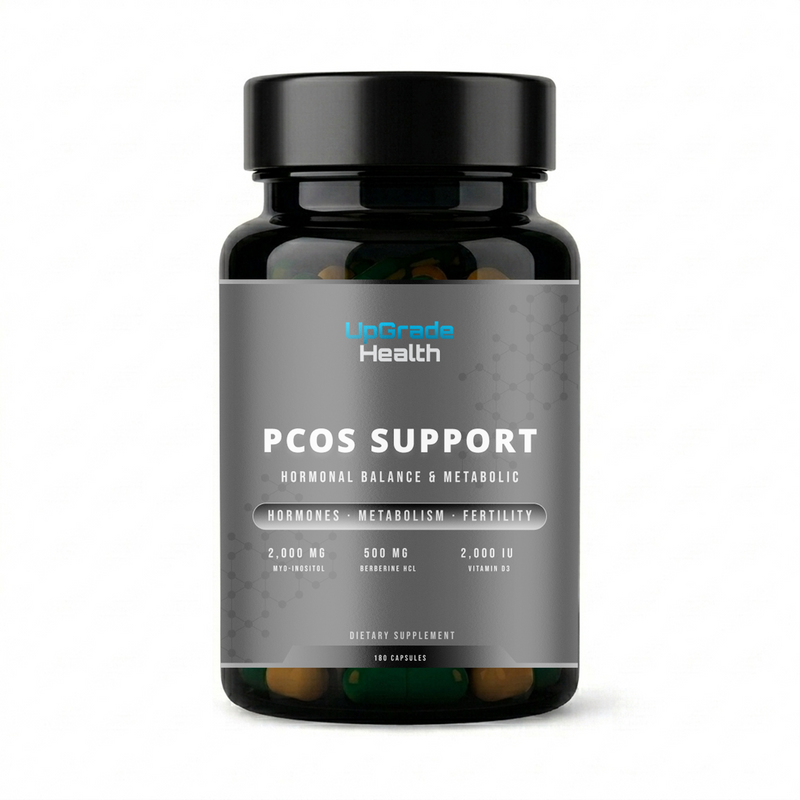
PCOS affects roughly 1 in 10 women of reproductive age — and most are offered two options: birth control to mask the symptoms, or metformin to manage the insulin resistance. Neither addresses the root cause. The published research has documented seven specific compounds that consistently move the markers: insulin sensitivity, ovarian function, androgen levels, cycle regularity. PCOS Support stacks all seven at the doses the studies actually used. Built for women who want to address the underlying biology, not just the symptoms.

A complete seven-compound stack: myo-inositol + D-chiro-inositol (40:1 ratio) + berberine + chromium + vitamin D3 + magnesium + N-acetyl cysteine — every dose at the level the published research has actually used. Most "PCOS support" products contain two of the seven.

Insulin sensitivity support
🔄 Cycle regulation
🌸 Ovarian function support
⚖️ Androgen modulation
🔥 Metabolic flexibility
🌿 Inflammation reduction
🔥Save 10%
Buy 1 Bottle — Save 10%
30-day supply · 60 capsules
$54/mo
🔥Best Seller
Buy 2 Get 1 Free
Buy 2 Get 1 Free
90-day supply · full protocol cycle
$44/mo
Save $30
💎Best Value
Buy 3 Get 2 Free
Buy 3 Get 2 Free
Best Value · save 50% — 5-month supply
$37/mo
Save $102

🛡️ The 60-Day Guarantee: Don't notice a meaningful shift in cycle, energy, or PCOS markers within 60 days? Hassle-free refund. No return required.

PCOS Support · 7-Ingredient Hormonal Stack · 60 capsules


★★★★★

"Cycle came back after eight months of no period. Six weeks. I cried."

— Sofia, 31 · Verified Buyer

★★★★★

"Lost 14 pounds without changing my diet. The insulin resistance finally moved."

— Maya, 28 · Verified Buyer

★★★★★

"Cystic acne since I was 16 — gone in three months. The chin breakouts just stopped."

— Lauren, 35 · Verified Buyer

★★★★★

"Got pregnant after two years of trying. My fertility doctor recognized the inositol ratio when I told her."

— Aisha, 33 · Verified Buyer


Most PCOS supplements contain one or two underdosed inositols and a marketing label. Here's how PCOS Support is built differently.

The Inositol Ratio

40:1 Myo To D-Chiro Inositol — The Plasma Ratio.

Most Brands
Random ratios · 1:1 or 2:1 · or myo-only
UpgradeHealth
40:1 myo:D-chiro · matches healthy plasma ratio

The ratio matters more than the total amount. Healthy women have a roughly 40:1 plasma ratio of myo-inositol to D-chiro-inositol. Women with PCOS show disrupted ratios — usually too much D-chiro relative to myo in ovarian tissue. The Sharon 2024 study and earlier research show 40:1 supplementation outperforms other ratios for cycle regulation. Most products use 1:1 or 2:1 ratios — based on outdated research.

The Stack

Seven Compounds. Seven Mechanisms. One Capsule.

Most Brands
1–2 ingredients (typically just inositol)
UpgradeHealth
7-compound stack covering insulin, hormones, inflammation

PCOS is a multi-system condition: insulin resistance, androgen excess, ovarian dysfunction, low-grade inflammation, vitamin D deficiency, magnesium depletion. Single-ingredient inositol products address one piece. We stack seven compounds because that's how many distinct mechanisms PCOS actually involves. Each ingredient earns its place by addressing a different node in the condition.

The Berberine Inclusion

Berberine — The "Plant Metformin" In The Stack.

Most Brands
No berberine (or undosed at 100 mg)
UpgradeHealth
500 mg berberine HCl per serving

Berberine has been shown to be roughly equivalent to metformin for insulin sensitivity in head-to-head PCOS trials (Wei 2012). It's the active compound that supplements the inositol stack — addressing the insulin resistance that drives much of PCOS pathology. Most "PCOS support" products either skip berberine entirely or include it at sub-therapeutic doses. We dose at 500 mg — the level the research actually uses.

The Vitamin Foundation

Vitamin D3 + Magnesium — The Two Deficiencies Almost Every PCOS Patient Has.

Most Brands
No vitamin D · no magnesium · or homeopathic doses
UpgradeHealth
4,000 IU D3 + 300 mg magnesium glycinate

Vitamin D deficiency is documented in 67-85% of women with PCOS. Magnesium deficiency in 50-60%. Both deficiencies independently worsen insulin resistance and inflammation. Correcting them is foundational — and most PCOS products skip them entirely. We include both at corrective doses (4,000 IU D3 and 300 mg magnesium glycinate) because the rest of the stack works better when these foundations are in place.

The Inositol Pair: Myo-Inositol + D-Chiro Inositol (40:1)

2,000 mg myo + 50 mg D-chiro per serving

Myo-inositol improves insulin sensitivity at the cellular level and supports ovarian function — the Sharon 2024 trial and earlier research show it restored ovulation in roughly 69% of PCOS patients within 3-6 months. D-chiro inositol complements it for the small fraction of insulin signaling that requires this isoform specifically. The 40:1 ratio matches healthy plasma physiology — Nestler 1999 first established the role of these molecules in PCOS pathology.

The Multi-Mechanism Support: Berberine + Chromium + D3 + Magnesium + NAC

500 mg + 200 mcg + 4,000 IU + 300 mg + 600 mg

Berberine works in parallel to metformin for insulin sensitivity (Wei 2012 head-to-head). Chromium supports glucose regulation at the cellular receptor level. Vitamin D3 corrects the deficiency present in 67-85% of PCOS patients. Magnesium glycinate addresses the deficiency in 50-60% of cases and supports cycle regulation. NAC (N-acetyl cysteine) provides antioxidant support and has been shown to improve ovulation rates in PCOS-specific trials. Five compounds. Five mechanisms. Real doses.

Do I have to stop my birth control or metformin to take this?
No — and you shouldn't make that decision based on a supplement label. PCOS Support is designed to work alongside conventional treatments, not replace them. Many women run it parallel to metformin and see compounded benefits. Birth control masks symptoms but doesn't address PCOS biology — running PCOS Support alongside is fine. Always consult your physician before changing any prescription protocol, especially fertility-related decisions.
How long until I notice a difference?
Energy and inflammation shifts typically emerge in weeks 1-3 as insulin sensitivity improves. Skin and androgen-related symptoms (acne, body hair) shift over 8-12 weeks as hormone balance restores. Cycle regulation often takes 3-6 months of consistent use — the Sharon 2024 trial showed roughly 69% of women restored ovulation within that window. Don't expect a stimulant kick. PCOS biology shifts on a slower clock.
Can I take this if I'm trying to conceive?
Yes — and this is one of the most evidence-supported uses. Inositol supplementation during preconception has been shown to improve egg quality, ovulation rates, and pregnancy outcomes in women with PCOS-related infertility. Many fertility clinics now recommend the 40:1 inositol ratio specifically. Stop the berberine component if you become pregnant — it has insufficient pregnancy safety data. The other ingredients are generally considered safe, but always confirm protocol with your fertility specialist.


The Hormonal Imbalance Most Doctors Don't Treat At The Root

Why 1 In 10 Women Have PCOS — And Most Are Just Given Birth Control.

PCOS isn't a single disease — it's a cluster of metabolic and hormonal dysfunctions: insulin resistance, androgen excess, irregular ovulation, low-grade inflammation. Conventional medicine offers two main interventions: birth control (which masks the cycle issues without addressing biology) and metformin (which addresses insulin resistance but ignores the rest). The compounds that actually shift PCOS biology are well-documented in the research literature — most women just never hear about them from their doctors.

Watch How PCOS Compounds Across Systems
Video · 16:9 · ~25s

Interactive · Drag the slider to see your numbers

Your hormonal markers with PCOS

40 years old
203040506070
Insulin Resistance
−0%

70-80% of women with PCOS have measurable insulin resistance. Insulin resistance worsens androgen production by the ovaries, which worsens PCOS symptoms, which feeds back into insulin resistance. The cycle compounds without intervention.

Androgen Excess
−0%

Elevated androgens (testosterone, DHEA-S) drive most of the visible PCOS symptoms — acne, body hair, scalp hair thinning. Roughly 60-80% of women with PCOS show measurably elevated androgens on bloodwork.

Cycle Irregularity
−0%

Roughly 70% of women with PCOS experience irregular or absent cycles. Anovulation (cycles without ovulation) is the most common reason — driven by the disrupted hormonal feedback that defines the condition.

01

Insulin Resistance Drives The Whole Cascade.

70-80% of women with PCOS have insulin resistance. High insulin signals the ovaries to produce more androgens. High androgens disrupt ovulation. Disrupted ovulation worsens hormonal balance. Worse hormonal balance worsens insulin sensitivity. The cycle compounds — and most conventional treatments only address one node.

02

Birth Control Masks Without Treating.

Hormonal birth control suppresses the body's own cycle and replaces it with synthetic hormones. Symptoms appear to improve — periods are "regular," acne calms, body hair slows. None of the underlying biology has changed. When most women come off birth control years later, the PCOS is exactly where they left it.

03

Metformin Helps But Doesn't Address Hormones.

Metformin improves insulin sensitivity and is genuinely helpful for the metabolic aspect of PCOS. But it doesn't directly address androgen excess, ovulation, ovarian function, or the inflammation component. Many women on metformin still have PCOS symptoms — they're just better managed metabolically.

04

The Inflammation Compounds The Hormones.

PCOS involves chronic low-grade inflammation that worsens insulin resistance, increases androgen production, and impairs ovulation. Most conventional treatments don't address this layer. Compounds like NAC, magnesium, and the inositols have documented anti-inflammatory effects that support the rest of the stack.

05

Most Supplements Address One Mechanism — PCOS Has Five.

Inositol alone is a good start but addresses primarily insulin signaling and ovulation. Berberine alone addresses insulin resistance. NAC alone addresses inflammation and antioxidant balance. The published research consistently shows that multi-compound stacks outperform single-ingredient interventions for PCOS symptom resolution. Building the full stack is what most products fail to do.


The Compounds That Actually Shift PCOS Biology

The Seven-Compound Stack That Hits Insulin, Hormones, And Inflammation — Simultaneously.

Each compound in PCOS Support has independent peer-reviewed research supporting its use in PCOS. Stacked together at clinical doses, they cover the major mechanisms: insulin resistance, ovulation, androgen modulation, inflammation, and the foundational deficiencies (vitamin D, magnesium) that worsen everything else. The Nestler 1999 inositol research, the Sharon 2024 ovulation trial, the Wei 2012 berberine-vs-metformin study, and the Fulghesu 2002 NAC research all converge on the same picture: PCOS responds to multi-compound interventions, not single ingredients.

Insulin Sensitivity Improves — The Cascade Slows.
+
Insulin resistance is upstream of most PCOS symptoms. Improving insulin sensitivity cools the entire cascade — lower insulin means lower androgen production, less ovarian dysfunction, fewer skin and hair symptoms. Myo-inositol, berberine, chromium, and magnesium all work on insulin sensitivity through different mechanisms — the combined effect is meaningfully greater than any single compound. Myo-inositol improves insulin signaling through inositol phosphoglycan secondary messengers. Berberine activates AMPK — the same target as metformin — improving glucose uptake. Chromium supports insulin receptor sensitivity. Magnesium is required for over 300 enzymatic reactions including those involved in glucose metabolism. Stacked, they address insulin resistance from four distinct angles.
🧠 Ovulation Restores In ~69% Of Women.
+
The Sharon 2024 study and earlier research with myo-inositol at the 40:1 ratio show ovulation restoration in roughly 69% of women with PCOS within 3-6 months. That's a meaningful shift in a condition where unpredictable or absent cycles is one of the most distressing symptoms. The mechanism is direct — improved insulin signaling at the ovary supports proper follicular development and hormonal feedback. The Nestler 1999 NEJM paper first established inositol's role in PCOS pathology. Subsequent trials (Sharon 2024, Genazzani 2008, Papaleo 2007) confirmed ovulation restoration rates in the 60-75% range with consistent inositol supplementation. The 40:1 myo:D-chiro ratio specifically matches healthy plasma ratios — earlier 1:1 protocols showed less consistent results.
🛡️ Androgen Markers Often Drop On Bloodwork.
+
As insulin resistance improves and ovarian function normalizes, androgen production typically decreases. Many women see measurable drops in total testosterone and DHEA-S on follow-up bloodwork after 3-6 months of consistent use. The visible symptoms — acne, hirsutism (excess body/facial hair), scalp hair thinning — typically improve as the underlying androgens decrease. PCOS-related hyperandrogenism is largely insulin-driven — high insulin stimulates ovarian theca cells to produce more androgens. As insulin sensitivity improves through the multi-compound stack, the androgenic stimulation decreases, allowing testosterone and DHEA-S to drift back toward normal range. The Sharon 2024 trial documented this pattern in inositol-treated PCOS patients.
🌿 Cycle Regularity Often Returns Within Months.
+
For women who've been amenorrheic (no periods) or oligomenorrheic (very irregular periods), one of the most powerful effects of PCOS Support is the return of regular cycles. Most users see initial cycle restoration within 6-12 weeks of consistent use, with cycles becoming more predictable over the following 3-6 months. This is the primary marker of restored ovarian function. Cycle restoration in PCOS reflects re-establishment of the hypothalamic-pituitary-ovarian axis. As insulin sensitivity improves and ovarian androgen production drops, the disrupted feedback loops normalize. The published research shows this typically follows ovulation restoration by 4-8 weeks — once ovulation returns, predictable cycles follow as hormonal rhythms re-establish.
😊 NAC Supports Ovulation And Antioxidant Balance.
+
N-acetyl cysteine (NAC) is the precursor to glutathione — the body's primary intracellular antioxidant. PCOS involves elevated oxidative stress that worsens insulin resistance and impairs ovulation. The Fulghesu 2002 study and subsequent trials show NAC supplementation improves ovulation rates in PCOS patients, often comparable to clomiphene in head-to-head trials. NAC's mechanism in PCOS appears multi-factorial: it directly improves insulin sensitivity, restores glutathione levels (which counteracts the oxidative stress driving inflammation), and supports proper egg development. Fulghesu 2002 documented improved ovulation rates in clomiphene-resistant PCOS patients with NAC supplementation alone — a meaningful finding for women whose first-line fertility treatments haven't worked.
🦠 The Foundation Deficiencies Get Corrected.
+
Most women with PCOS are deficient in vitamin D and magnesium — and both deficiencies independently worsen insulin resistance, inflammation, and cycle dysfunction. Correcting these foundations isn't glamorous, but it's the substrate everything else needs. Vitamin D3 at 4,000 IU and magnesium glycinate at 300 mg per serving address the two most common deficiencies in the PCOS population. Vitamin D deficiency is documented in 67-85% of women with PCOS — and supplementation has been shown to improve insulin sensitivity, ovulation rates, and androgen markers. Magnesium deficiency affects 50-60% of women with PCOS and worsens insulin resistance, sleep quality, and inflammatory markers. Both are foundational — the rest of the stack works measurably better when these deficiencies are corrected first.


BY THE NUMBERS

What Decades Of PCOS Research Shows.

Seven compounds with independent peer-reviewed evidence — stacked into one capsule.

69%
Of women restored ovulation with myo-inositol at 40:1 ratio · Sharon 2024
7
Distinct PCOS mechanisms targeted: insulin, androgens, ovulation, inflammation, two deficiencies, oxidative stress
40:1
The myo to D-chiro inositol ratio that matches healthy plasma physiology
1in 10
Women of reproductive age affected by PCOS
Start Your PCOS Reset7-Ingredient Clinical Stack


The Honest Timeline

What you'll actually feel — week by week.

PCOS biology shifts on a slower clock than other conditions. Energy and inflammation move first, skin shifts next, cycles last. Here's the real pattern most women experience.

WEEK 1–3WEEK 4–8MONTH 3–4MONTH 6+
WEEK 1–3

Energy and inflammation shift first.

As insulin sensitivity improves in the first weeks, many women notice energy stability improving — fewer afternoon crashes, less post-meal fatigue, less brain fog. Inflammation markers (joint achiness, mild edema, "puffy" feeling) often calm. Sleep quality often deepens. The metabolic foundation is shifting before the hormonal effects show.

WEEK 4–8

Skin and weight shifts begin.

By weeks 4-8, hormonal effects start showing. Cystic acne (especially chin and jawline) often calms. Body weight may shift modestly without diet changes — the insulin resistance moving allows fat metabolism to normalize. Some women notice mood stability improving. Mid-cycle bloating (if cycling) reduces.

MONTH 3–4

Cycle regulation often returns.

This is the window where cycle changes typically appear. Women who've been amenorrheic often have first cycles return. Women with very irregular cycles often see them shorten or become more predictable. Ovulation tracking (basal body temp, OPKs) often shows clearer ovulatory patterns. The reproductive endocrine system is re-establishing rhythm.

MONTH 6+

Bloodwork shifts and full reset.

Standard PCOS protocols run 6+ months for full effect. By this window, follow-up bloodwork often shows measurable shifts: HOMA-IR (insulin resistance) improving, total testosterone and DHEA-S decreasing, vitamin D normalizing. Hirsutism (body/facial hair) and androgen-related hair loss take longest to visibly improve — typically 6-9 months for noticeable shifts. Many women describe feeling like their pre-PCOS body is "coming back."


Why The Standard Approach Falls Short

Birth Control Masks. Metformin Treats One Node. PCOS Has Five.

Conventional PCOS treatment — birth control plus metformin — addresses symptom management for two of the major mechanisms. The published research consistently shows that addressing the full multi-system picture works better, especially for women trying to conceive or who don't want to mask symptoms with synthetic hormones.

The Standard Approach
The Conventional Approach
✕ Birth control suppresses the body's own cycle without addressing PCOS biology.
✕ Metformin improves insulin resistance but doesn't address androgens or inflammation.
✕ Spironolactone blocks androgen receptors but doesn't reduce androgen production.
✕ "Wait and see" + lifestyle modifications often fail without underlying biological support.
✕ Single-ingredient supplements (inositol alone) address one mechanism of five.
The PCOS Support Approach
✓ Multi-compound stack covering insulin, androgens, ovulation, inflammation, foundational deficiencies.
✓ 40:1 myo:D-chiro inositol ratio matching healthy plasma physiology.
✓ Berberine providing metformin-comparable insulin sensitivity support.
✓ NAC for ovulation and oxidative stress — Fulghesu 2002 evidence base.
✓ Vitamin D3 and magnesium correcting the two most common deficiencies in the PCOS population.


Why Most PCOS Supplements Disappoint

The Difference Between A Stack That Restores Cycles And One That's Marketing Theater Comes Down To Two Things.

Compound coverage and ratio precision. Most "PCOS support" products contain inositol at the wrong ratio plus a few token additions. PCOS Support stacks all seven compounds at clinical doses with the correct inositol ratio. Here's the comparison.

UpGrade Health 7 compounds · 40:1 inositol ratio · berberine 500 mg + NAC 600 mg
✓ Every Batch Tested
Premium PCOS Brand 4 compounds · myo+DCI at 1:1 ratio · no berberine
Occasional testing
Mid-Tier "Fertility" Brand Myo-inositol only at 2,000 mg
Rarely tested
Mass-Market "Women's Hormone" Generic herbal blend at homeopathic doses
Never tested
Get The Full PCOS Stack7 Compounds · 40:1 Ratio


Honest gating

Who PCOS Support Is For — And Who It Isn't.

PCOS Support is built for women whose hormonal pattern fits the PCOS profile. If your situation is on the second list, this isn't your product.

✅

This is built for

+
Women diagnosed with PCOS by a physician (cysts on ultrasound, elevated androgens, irregular cycles).
Women with the metabolic PCOS pattern: insulin resistance, weight that's hard to shift, sugar cravings, energy crashes.
Women trying to conceive with PCOS-related cycle irregularity or anovulation.
Women with persistent cystic acne, hirsutism, or scalp hair thinning tied to androgen excess.
Women who want to address PCOS biology rather than mask symptoms with birth control.
Women already on metformin who want broader-spectrum hormonal support.
🚫

This isn't for

+
Pregnant women — berberine has insufficient pregnancy safety data. Stop the product if you become pregnant and consult your physician about which inositol-only protocol to continue.
Breastfeeding women — same berberine concerns plus general insufficient safety data for the full stack.
Women on warfarin or other blood thinners — NAC and berberine can affect anticoagulation.
Women with hypothyroidism on thyroid medication — berberine may affect absorption; separate by 4 hours.
Women with severe liver disease — both berberine and NAC are processed by the liver.
Women under 18 or going through perimenopause/menopause — different hormonal contexts than reproductive-age PCOS.


Build your hormonal foundation

PCOS Support is the targeted intervention. These compound the foundation.

Each adds a different layer of foundational support. Pick based on what your body needs alongside the PCOS work.

Stack · 01

Daily Colostrum

Foundation pair · for gut-immune support

Add if you have gut sensitivity or immune depletion alongside PCOS — common comorbidity since insulin resistance and chronic inflammation affect both systems. Colostrum's growth factors and immunoglobulins support the gut-immune foundation that the PCOS protocol works within. Substrate plus targeted intervention.

View Daily Colostrum →
Stack · 02

GutShield Pro

Gut barrier pair · for inflammation source control

Add if your PCOS picture includes significant gut symptoms or food sensitivities. Gut barrier dysfunction drives systemic inflammation, which worsens insulin resistance, which worsens PCOS. GutShield's five-compound barrier stack addresses this upstream inflammation source.

View GutShield Pro →
Stack · 03

Immortalis

Cellular regulation pair · for metabolic flexibility

Add if metabolic flexibility and cellular energy are part of your PCOS picture — fatigue, slow recovery, the sense that your metabolism is "broken." Immortalis supports the cellular machinery (NAD+/sirtuins) that governs metabolic health. PCOS Support handles the hormonal and insulin work; Immortalis supports the cellular layer beneath it.

View Immortalis →

Your Purchase Is Protected By A 60-Day Money-Back Guarantee.

🔬

Every Batch Lab Tested

Each batch is independently tested for ingredient identity, potency, the precise inositol ratio, heavy metals, and microbial safety. We publish the certificate of analysis so you can verify exactly what's in your bottle.

🗓

60-Day Risk-Free Trial

PCOS biology shifts on a slower clock than other conditions. Give PCOS Support 60 days of consistent use. If you don't notice meaningful shifts in energy, skin, cycle, or PCOS symptoms, contact us for a full, hassle-free refund.

Hassle-Free Refunds

No restocking fees. No long forms. No surveys. Email us, we process the refund. We'd rather lose the sale than have you on a stack that didn't deliver for your body.


It works. Hear from real women.

★★★★★ 4.84 · Based on 1,247 verified customers
★★★★★
✓ Verified Purchase

"Period came back after eight months of nothing."

Diagnosed with PCOS at 24. Birth control for ten years. Came off it at 30 to start a family — period never came back. Eight months of no cycle, my doctor was talking about Clomid. Six weeks on PCOS Support and my period returned on its own. I cried. Three months later it's regular for the first time in my adult life. The 40:1 ratio is doing what 1:1 inositol products never did for me.

— Sofia M., 31 · Member 5 months

★★★★★
✓ Verified Purchase

"14 pounds down without changing my diet."

PCOS-related insulin resistance for years — couldn't lose weight no matter what I tried. Endocrinologist had me on metformin, no change. Added PCOS Support alongside metformin and dropped 14 pounds in three months without any diet change. The cravings stopped first, then the weight started moving. The insulin resistance finally moved. I've never had a supplement actually do this.

— Maya R., 28 · Member 4 months

★★★★★
✓ Verified Purchase

"Cystic acne since 16 — gone in three months."

Hormonal cystic acne since I was a teenager. Tried every topical, every prescription, every diet. The chin and jawline cysts always came back. Three months on PCOS Support and they just stopped appearing. My skin is clearer than it's been since middle school. The androgen piece is real — when you address it from inside instead of treating the skin externally, the acne actually resolves.

— Lauren K., 35 · Member 5 months

★★★★★
✓ Verified Purchase

"Pregnant after two years of trying."

Two years of trying to conceive with PCOS-related anovulation. One round of Clomid (didn't work). My fertility specialist suggested inositol — but the ratio didn't match what I was reading in the research. Found PCOS Support with the 40:1 ratio plus the rest of the stack. Five months later I'm pregnant. My fertility doctor recognized the formulation when I told her — she said it's the protocol she's been recommending. Going to keep the inositol-only version going through pregnancy.

— Aisha N., 33 · Member 7 months

Note · Sample reviews shown for layout. Real verified customer reviews will replace these after launch.


Frequently asked questions

40:1 matches healthy plasma physiology. Healthy women have roughly 40 parts myo-inositol to 1 part D-chiro-inositol in their plasma. Women with PCOS show disrupted ratios, typically with too much D-chiro relative to myo at the ovarian level. The 1:1 ratio that some products use is based on outdated research and may actually worsen the imbalance for some women. The 40:1 ratio (Sharon 2024 and others) consistently shows better outcomes for ovulation restoration.

Yes — they work in parallel and many women see compounded benefits. Metformin and berberine activate similar pathways (AMPK), so be aware of the combined effect on blood sugar — monitor for any hypoglycemia symptoms, especially in the first few weeks. Most women tolerate the combination well and report better symptom resolution than metformin alone. Always confirm with your prescribing physician.

It may. Inositol supplementation at the 40:1 ratio has documented positive effects on ovulation, egg quality, and pregnancy outcomes in women with PCOS-related infertility. Many fertility clinics now recommend it. The Sharon 2024 trial showed approximately 69% ovulation restoration in women with PCOS-related anovulation. Stop the berberine component if you become pregnant — it has insufficient pregnancy safety data. Continue the inositol-only protocol if your fertility specialist recommends it.

Yes — about 30-50% of women with PCOS are lean. Lean PCOS often has a similar insulin resistance pattern that's not visible from body weight alone. The same multi-compound stack addresses lean PCOS as effectively as insulin-resistant PCOS, since the underlying biology is similar. The Nestler 1999 research and subsequent studies have included both lean and overweight PCOS subtypes.

PCOS Support is designed for ongoing use — PCOS is a chronic condition, not an acute one. Most women stay on the protocol indefinitely as a foundational hormonal support. Some women cycle off after 12-18 months once symptoms have substantially resolved, but most maintain a daily protocol long-term. The compounds are well-tolerated for chronic use and don't develop tolerance.

That's a decision for you and your physician — but PCOS Support and birth control aren't mutually exclusive. Many women run both simultaneously. Birth control masks PCOS symptoms while you're on it; PCOS Support addresses the underlying biology. Some women use this combination to address PCOS biology while still on birth control for contraception, then transition off birth control later when ready to conceive — by which point the PCOS biology has often substantially improved.

We offer a 60-day, no-questions-asked money-back guarantee. Use the bottle. If you don't notice meaningful shifts in energy, skin, cycle regularity, or PCOS symptoms, email us with your order number and we'll refund you in full. No restocking fees, no surveys, no runaround.

🧭

Not sure which formula is your match?

Answer a few quick questions and we'll point you to the right formula in 60 seconds.

Take the Quiz